Sunday, August 31, 2014

কোথায় পাবো তারে - কালকূট

"আমার ঘর হইতে আঙিনা বিদেশে" - এই কথাটি যেন লেখক কালকূটের জীবনে সার্থকভাবে খেটে যায়। ঘুরে-বেড়াতে চাইলে কালকূট আর কিছু চাইতেন না। কবিগুরুর 'কেন পান্থ এ চঞ্চলতা' - এ প্রশ্নের উত্তর খোঁজার জন্যে তিনি সারাজীবন ঘুরে বেরিয়েছিলেন ভারতবর্ষের নানা মানুষের মেলায়, নানা বিচিত্রের বর্ণিল পটভূমিতে। 


সমরেশ বসু (ডিসেম্বর ১৯২৪ - মার্চ ১৯৮৮)
কালকূটের লেখা আগে যাঁরা পড়েছেন, তাঁরা জানেন যে সেগুলি কোনটাই ঠিক প্রচলিত অর্থে 'ট্রাভেলগ' নয় - অর্থাৎ স্রেফ 'ভ্রমণোপন্যাস' বললে তাদের পুরো পরিচয়টা যেন সম্পূর্ণ হয়না। তাঁর রচিত উপন্যাসগুলির বৃত্তান্তে কখনো ব্যক্তিগত অ্যাডভেঞ্চারের বিবরণী থাকেনি - অন্যদিকে গল্পে গ্রথিত ভ্রমণ নির্দেশিকাও ছিলোনা  তাঁর রচনাগুলি। বরং বলা যেতে পারে তাঁর এই জাতীয় রচনার মূল কথাটি হলো 'মানুষ' - সেটা তাঁর সমগ্র সাহিত্যিক ব্যক্তিত্বের প্রধান অন্বেষা - সেটাই তাঁকে নিয়ে গেছে মানুষের মেলায়, মানুষ খুঁজতে। সুতরাং ভ্রমন-রসের থেকেও তাঁর লেখাগুলি ভরপুর ছিলো আসল 'মানব-রসে'। 

কালকূট শব্দের আভিধানিক অর্থে 'প্রাণঘ্ন বিষ'। এই ছদ্মনামটিতে বিষ এবং বিষজর্জর ব্যক্তিটি এক হয়ে গেছেন। তিনি প্রত্যক্ষ করেছিলেন 'অমৃতের পুত্র' হয়ে জন্মালেও বেশিরভাগ মানুষই অমৃতময় মূর্তি নয়। তাই তাঁর লজ্জ্বা সমস্ত মানুষের হয়েই তাই বিনয়ের সঙ্গে তিনি স্বনাম নির্বাচন করেছেন, 'কালকূট'। বিষামৃতমধুর-তিক্তের সন্ধানে তাঁর যাত্রা - যে বিষ বদলে গিয়ে হবে সুধা, সেই বিষকেই  নামবাচক বিশেষ্যে রুপান্তরিত করেছেন এই লেখক।   
প্রথম সংস্করণ ডিসেম্বর, ১৯৬৮
'অমৃতকুম্ভের সন্ধানে', 'খুঁজে ফিরি সেই মানুষ' ধারারই শেষ লেখা হলো 'কোথায় পাবো তারে' উপন্যাসটি, যেখানে মানুষের আর্তি, আকুলতা আরও গভীরতর, বর্নাঢ্য রূপে প্রকাশিত হয়ে উঠেছে। তবে 'কোথায় পাবো তারে' উপন্যাসটি তাঁর সমস্ত রচনার থেকে কিছুটা আলাদা ধরনের লেখা। এই লেখায় তেমন কোনো নির্দিষ্ট পটভূমি নেই। কোন একটা গোণা-গাঁথা সপ্তাহ বা কালখণ্ডও এখানে ব্যবহৃত হয়নি।   নদী, প্রান্তর, স্রোতের চলিষ্ণুতা এবং লাল কাঁকরের স্তব্ধতা - সর্বত্র সঞ্চারমান একটি পথপাগল পথিকের   বিচিত্র মাধুকরী এ লেখায় ফুটে উঠেছে। বাংলার নিজস্ব বাউলের মতো এ-মেলা থেকে সে-মেলা, আনগাঁয়ে, ভিনগাঁয়ে - পায়ে পায়ে ধুলো উড়িয়ে, সেই ধুলোয় ধুসর হতে হতে এগিয়ে চলাই যেন লেখকের একমাত্র ইচ্ছা।  

নদীর জলে সবকিছু ধুয়ে মুছে যায়। এক নদী বয় মাটিতে, আরেক নদী বয় মনে। 'কালকূট' দুই নদীতেই অবগাঢ় হয়েছেন। নদীর বর্ণনায় অক্লান্ত লেখক বুঝি পূর্ববঙ্গের বাল্যস্মৃতির দ্বারা প্রাণিত, আবার পশ্চিম প্রান্তের রক্তিম কাঁকর-ধূলির বর্ণনায় বুঝি বা ফুটে ওঠে তাঁর প্রৌঢ়ত্ব। কিন্তু এতো বর্ণনা, এতো পট, আর পটান্তর কিসের জন্যে ? 'তারে' এই সর্বনাম কাকে আড়াল করে রেখেছে? কেনই বা তার জন্যে এই আকুলতা? সেই সব কথা জানতে হলে পড়তেই হবে তাঁর সেই অমর রচনাটি।   


এই পোস্টে কালকূটের 'কোথায় পাবো তারে' উপন্যাসটি থেকে প্রথম কিছু পরিচ্ছেদ তুলে ধরা হলো - ভালো লাগলে পরে আরও প্রকাশ করা যেতেই পারে......

কোথায় পাব তারে 
(প্রথম ৫৪ পৃ:)


Tarzan - Edgar Rice Burroughs

Tarzan was the son of a British Lord and Lady who were marooned on the West coast of Africa by mutineers. When Tarzan was one year old, his mother died of natural causes, and his father was killed by Kerchak, leader of the ape tribe into which Tarzan was adopted. Tarzan’s tribe of apes is known as the Mangani, Great Apes of a species unknown to science. Kala is his ape mother. Tarzan (White-skin) is his ape name; his English name is John Clayton, Lord Greystoke. 
বাংলায় 'টারজান' এসেছিলো শ্রী সুধীন্দ্রনাথ রাহা, ওরফে 'সব্যসাচী'-র হাত ধরে (শুকতারা পত্রিকা)
As a young adult, Tarzan meets a young American woman, Jane Porter, who along with her father and others of their party is marooned at exactly the same spot on the African coast where Tarzan’s parents were twenty years earlier. When she returns to America, he leaves the jungle in search of her, his one true love. In later books, Tarzan and Jane marry and he lives with her for a time in England. They have one son, Jack, who takes the ape name Korak (“the Killer”). Tarzan is contemptuous of the hypocrisy of civilization, and he and Jane return to Africa, making their home on an extensive estate that becomes a base for Tarzan’s later adventures.


Edgar Rice Burroughs 
(September, 1875 – March, 1950)
In Tarzan, Burroughs created an extreme example of a hero figure largely unalloyed with character flaws or faults. He is described as being Caucasian, extremely athletic, tall, handsome, and tanned, with grey eyes and black hair. Emotionally, he is courageous, loyal and steady. He is intelligent and learns new languages easily. He is presented as behaving ethically, at least by Burroughs’ definitions, in most situations, except when seeking vengeance under the motivation of grief, as when his ape mother Kala is killed in Tarzan of the Apes, or when he believes Jane has been murdered in Tarzan the Untamed. He is deeply in love with his wife and totally devoted to her; in numerous situations where other women express their attraction to him, Tarzan politely but firmly declines their attentions. When presented with a situation where a weaker individual or party is being preyed upon by a stronger foe, Tarzan invariably takes the side of the weaker party. In dealing with other men Tarzan is firm and forceful. With male friends he is reserved but deeply loyal and generous. As a host he is likewise generous and gracious. As a leader he commands devoted loyalty.
Russell George Manning
 (January, 1929 - December, 1981)
In 1967 Russ Manning was selected by the Edgar Rice Burroughs estate to take over the Tarzan newspaper strip and bring it back to the original Burroughs vision. With assists by William Stout, Mike Royer, and Dave Stevens, Manning created 26 original Sunday story-lines and 7 daily stories. In addition to seeing Tarzan as the noble (and articulate) half-man/half-ape warrior, Manning and writer Gaylord DuBois not only depicted Jane and Korak (Tarzan and Jane's natural son) as faithfully as possible , they also kept the early 20th century time period setting (going as far as World War One) AND they introduced or reintroduced such characters and concepts as La, the high priestess of the forbidden city of Opar, and  the prehistoric-like land of Pal-Ul-Don. 

The Russ Manning Years, which reprints material from 1965-67. show that while DuBois' scripts are well-written and fast-paced, Manning's art is the best thing these adaptations have going for them.   


Read here few of the Edgar Rice Burroughs’ most beloved Tarzan comics in color...

1. Tarzan 
13. Tarzan 
14. Tarzan


Saturday, August 30, 2014

শ্রীকান্ত ও মেজদা

বয়:সন্ধিকালের কিশোর মন সর্বক্ষণ বিচরণ করে বেড়াতো নানান স্বপ্নরাজ্যে। যে গল্পের বইই পড়তাম, বা যে ছায়াছবিই দেখতাম - তাদেরই চরিত্রদের সাথে নিজের চরিত্রের মিল খুঁজে বেড়াতাম। কল্পনাবিলাসী মনের কাজই ছিলো সেটা করার। কিন্তু হাতে-গোনা যে কয়টি মাত্র চরিত্রকে সত্যিকারের হিংসা করতে ইচ্ছা হতো, তাদের মধ্যে অন্যতম ছিল অমর কথাশিল্পী, শ্রী শরৎচন্দ্র চট্টোপাধ্যায়ের 'শ্রীকান্ত' উপন্যাসের 'ইন্দ্রনাথ' চরিত্রটিকে। এই চরিত্রটি ছিলো অ্যাতোটাই মহান আর এতোই বিশাল, যে তার পাশে নিজেকে দাঁড় করালে, মনে খুবই হীনমন্যতা জাগতো।  
শরৎচন্দ্রের  'শ্রীকান্ত' ও 'ইন্দ্রনাথ' চরিত্রদুটির সাথে আমার পরিচয় ঘটেছিলো তখনকার দিনের হাইস্কুলের, বাংলা পাঠ্য বইয়ের 'মেজদা' গল্পের হাত ধরে। বাড়ির আলমারীতে থরে থরে শরৎচন্দ্রের নানান গল্প-উপন্যাসের বই সাজানো ছিলো, কিন্তু বাবার কড়া শাসনের জন্যে সেইসব বইতে হাত দেওয়া যেতোনা - কারণ শরৎচন্দ্রের গল্প নাকি কেবলমাত্র 'বড়োদের' জন্যে - ছোটোরা পড়লে নাকি মাথা বিগড়িয়ে যেতে পারে। তো, উচ্চ-মাধ্যমিকে ওঠার পর একদিন বাংলা ক্লাসে, স্কুলের বাংলা স্যার, দেববাবু টেবিলের উপর দুই পা-তুলে, বাবু হয়ে বসে পড়ে শোনাচ্ছিলেন পাঠ্য বইয়ে থাকা শরৎচন্দ্রের সেই "মেজদা" গল্পটি। কি ছিলো কে-জানে সেই গল্পের মধ্যে, না কি সেদিনের স্যারের গলার নাটকীয়তার মধ্যে, কিছুক্ষনের মধ্যেই অনুভব করলাম যে আমি আর ক্লাসের মধ্যে বসে নেই - আমি আছি শ্রীকান্ত আর ইন্দ্রনাথের খুব কাছাকাছি কোনো একখানে - আর সেখান থেকেই যেন স্যারের গল্প পড়ার সাথে সাথে গল্পের সেইসব ঘটনাগুলোকে পুরোপুরি নিজের চোখের সামনে চিত্রায়িত হতে দেখছি। আশেপাশে বসে থাকা বন্ধুরা তো বটেই, মায় বান্ধবীরা পর্যন্ত বেমালুম সব হাওয়া হয়ে গেছে !!!  সেই ছিলো শুরু - তারপর একে একে বাড়িতে থাকা শরৎচন্দ্রের সবকটা গল্প উপন্যাস পড়ে শেষ করে ফেলেছিলাম। সাহিত্যের সত্য আর জীবনের সত্যকে এমনভাবে মিলিয়ে মিশিয়ে ফেলতে বোধহয় শরৎচন্দ্রের মতো করে আর কোনও লেখকই পারেন নি।   

এই পোস্টে 
শরৎচন্দ্রের সেই ফেলে-আসা দিনের অসাধারণ, 'শ্রীকান্ত' উপন্যাসের প্রথম পর্ব থেকে 'মেজদার' ঘটনাটি এবং তার সাথে চলে আসা ইন্দ্রনাথের কিছু দু:সাহসিক কান্ড-কারখানার ঘটনা তুলে ধরা হলো - যা পড়লে মন নস্টালজিক হতে বাধ্য। 

শ্রীকান্ত ও মেজদা  


Tuesday, August 26, 2014

A Tribute to Pran

প্রান, অর্থাৎ Pran Kumar Sharma (1938 - 2014) ছিলেন ইন্ডিয়ার অন্যতম পপুলার কার্টুনিস্ট - মূলত: তাঁর অনবদ্য সৃষ্টি, 'চাচা চৌধুরী' ক্যারেক্টারটির জন্যেই সারা ভারতের কিশোরবয়সী কমিকস পাঠকদের হৃদয়ে তিনি আজীবন বেঁচে থাকবেন। 

In 60's and 70's decade, when foreign comics were being published all over the country, young Pran created comics having Indian characters and on local themes. The characters created by Him got phenomenal success one after another. 

Pran won the prestigious "People of the Year" award back in 1995, instituted by Limca Book of Records. His two episodes of "Chacha Chowdhury" series have been acquired by International Museum of Cartoon Art, USA. In 1983, his famous book "Raman - United We Stand" was released by the Indian prime minister, Indira Gandhi.

দূর্ভাগ্যবশত: আমার ছোটোবেলার সময়ে তাঁর লেখা কমিকসগুলো বাংলায় তেমন প্রকাশিত হয়নি, তাই 'প্রাণ'-এর সাথে আমার পরিচয় ঘটে উঠেছিলো কিছুটা বড়ো বয়সেই। ততোদিনে আমি already 'টিনটিন'-এর জগতে ঘোরা-ফেরা শেষ করে বেশ কিছু 'অ্যাস্টেরিক্সের' গল্প কণ্ঠস্থ করে ফেলেছি।  তাই 'রাকা' আর 'সাবু'-র কান্ড-কারখানা আমার মনে তেমন দাগ কাটতে পারেনি।


কিন্তু তাঁর সৃস্ট অন্যান্য ক্যারেক্টারগুলি, অর্থাৎ "শ্রীমতিজী, পিঙ্কি, বিল্লু, রমন", ইত্যাদিদের মধ্যে অফুরন্ত হাসি আর কৌতুকরসের সন্ধান পেয়েছিলাম। মূলত: দুই, কি বড়োজোর চার পাতায় প্রকাশিতএ ই গল্পগুলি পড়তে খুব মজা লাগতো। তার উপরে এই বইগুলি ছোট পেপারব্যাকের ফর্ম্যাটে প্রকাশিত হওয়ার দরুণ, এগুলি যেকোন জায়গায় সহজেই সঙ্গে করে নিয়ে যাওয়া যেতো - বিশেষ করে চলন্ত বাসে বসে, বা ট্রেনের দুলুনির সাথে পাল্লা দিয়ে এই বইগুলি পড়তে, কি বাচ্চা কি বয়স্ক, সকলেই দারুন ভালোবাসতেন।  

এই পোস্টে প্রাণের লেখা কিছু 'শ্রীমতিজী'-র গল্প একসাথে করে দেওয়া হলো। Nothing serious, nothing dramatic, nothing fictional - স্রেফ নির্মল হাস্যরসে ভরপুর এই ছোট ছোট গল্পগুলি পড়তে (বা আবার করে পড়তে) একটুও 'bored' লাগবেনা।  


শ্রীমতিজী by প্রান 


Saturday, August 23, 2014

Adventures of Jo, Zette and Jocko - #1

The Adventures of Jo, Zette and Jocko is a comic book series created by Hergé in 1930's decade. The heroes of the series are two young children 'Jo' and 'Zette Legrand' and their pet monkey 'Jocko'.

In 1935, six years after Tintin had first appeared in the pages of Le Petit Vingtième, Hergé was approached by Father Courtois, director of the weekly French newspaper 'Coeurs Vaillants' (Valiant Hearts). Coeurs Vaillants also published Tintin's adventures, but while Father Courtois enjoyed Tintin, he wanted a set of characters that would embody classical family values — a young boy, with a father who works, a mother, a sister and a pet — in contrast to the more independent Tintin who, the whole of his career, has had no mention of relatives at all.

Inspired by a toy monkey called Jocko, Hergé created Jo Legrand, his sister Zette and their pet monkey Jocko as well as their engineer father, Jacques, and housewife mother. Their first adventure, The Secret Ray, appeared in the pages of Coeurs Vaillants on January 19, 1936 and ran until June 1937.


Between 1936 and 1957, three complete Jo, Zette and Jocko adventures would be published, spread across five albums. Hergé however often felt restricted by the family set-up: whereas the older, more independent Tintin could just head off on any adventure, either alone or with Captain Haddock or Professor Calculus, this was not possible for Jo, Zette and Jocko whose parents had to figure large in any adventure — usually to act as their rescuers. 

The stories, kind of lacked the social and political messages of the Tintin stories. In the end, these constraints led him to eventually abandon Jo, Zette and Jocko in the late-1950s.

Plot:                             
Billionaire John Archibald Pump is killed in a car accident, in his luxury super-modern sports car. In his last will and testament, Pump bequeaths the sum of $10 million dollars to the builders of the first aeroplane to succeed from flying non-stop from New York to Paris, or vice versa, within one year. Engineer Monsieur Le Grand is commisoned to build the aeroplane to do it, for SAFCA.

There are those in whose interest it is to stop the flight, including Pump's nephews, William and Fred Stockrise who stand to gain the fortune, should nobody make the flight within one year. The villains begin their work-first Mr Legrand is injured after his car is sabotaged, then Jo is hurt after being shot,and then little Zette is kidnapped.

But the family Legrand are made of sterner stuff and are soon re-united. From there, their wits a re pitted against the relentless vilains, and much action and adventure takes place to see if the flight will succeed.

Mr. Pump's Legacy (1935)


(Note:
The credit goes to the unknown, original uploader who uploaded this beautiful story on Net long time back).


Thursday, August 21, 2014

আবোল তাবোল - সুকুমার রায়

"হঠাৎ কি হলো মতি, 
                সোনালী এক প্রজাপতি 
এসেছিলো পথ ভুলে, 
                 আমারই রুপালি চুলে..."

পরশুরামের 'বিরিঞ্চিবাবা' বলে গেছিলেন "কাল (অর্থাৎ  সময়)  অতি বিচিত্র..." - সত্যি বলতে কি তিনি একদম ঠিক কথাই বলেছিলেন। সত্যিই বড়ো অদ্ভুত হলো সময়ের চরিত্র। মাঝে মাঝে মনে হয় মুঠোভর্তি বালি তুলে ধরলে যেমন হাতের আঙুলের ফাঁক দিয়ে বেশিরভাগই ঝরে পড়ে যায় - সেই পড়ে যাওয়া বালিগুলোই যেন হলো সময়, আর যেগুলো বাকী থেকে যায়, সেগুলোই স্মৃতি।

ছেলেবেলা নিয়ে কিছু লেখা সহজ কথা নয় - স্মৃতির পথ হাঁতড়ে হাঁতড়ে অতীতে ফিরে যেতে হয়। চল্লিশ বছর আগে ফিরে গিয়ে শৈশবগাঁথা মোটেই সহজ কথা নয়। মজার কথা হলো কিছু কিছু বই, তাদের ম্যাজিকাল ক্ষমতায় সহজেই আমাদের সেই হারানো দিনগুলোতে ফিরিয়ে নিয়ে যেতে পারে - কিছুক্ষণের জন্যে হলেও মনে করিয়ে দিতে পারে সেইসব হারানো স্মৃতিগুলো। সুকুমার রায়ের লেখা "বো তাবোল" বইটি হলো ঠিক সেরকমই একটি বই। 

ছেলেবেলার কথা যেন সেই অনেকটা পপুলার টিভি সিরিজের মতো - যতোবারই দেখি, মনে হয় আমার নিজের শৈশবেরই ডেপিকশান: "Growing up happens in a heartbeat. One day you're in diapers; the next day you're gone. But the memories of childhood stay with you for the long haul..."  --- The Wonder Years 
                                              

আবোল তাবোল


Tuesday, August 19, 2014

প্রেমপত্রের ঝামেলা - শার্লক হোমস

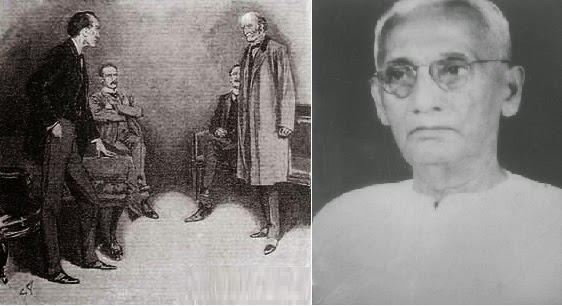
শিশু ও কিশোর সাহিত্যের জগতে শ্রদ্ধেয় শ্রী "সুধীন্দ্রনাথ রাহা"-র (1896 -1986) নাম আলাদাভাবে উল্লেখ করতেই হয়। শুধু বিখ্যাত বিদেশী গল্পের অনুবাদক হিসাবেই নয়, ছোটগল্পকার, এবং বিশেষ করে নাট্যকার হিসাবে তাঁর অবদান পাঠক সমাজে বিশেষ সমীহের সৃষ্টি করে। তাঁর রচিত 'বভ্রুবাহন, মোগল মসনদ, শিবার্জ্জুন, মারাঠা মোগল, মানসী, সমুদ্রগুপ্ত, বিষ্ণুমায়া', ইত্যাদি নাটকগুলি তখনকার দিনের 'ষ্টার, মিনার্ভা, ক্যালকাটা থিয়েটার', ও অন্যান্য নামী-দামী রঙ্গমঞ্চে সগৌরবে অভিনীত হয়ে চলেছিলো। 

জন্মসূত্রে সুধীন্দ্রনাথবাবু পূর্ববাংলার (খুলনা, নলধা গ্রাম) বাসিন্দা হলেও তিনি অনেক এ-দেশীর থেকেও বেশী করে এই পশ্চিমবাংলাকে ভালোবেসে ছিলেন। শুকতারা, নব কল্লোল, দেব সাহিত্য কুটীরের পূজাবার্ষিকীতে তাঁর লেখা, এবং অনুবাদ করা গল্পগুলি ছোটো-বড়ো সবাইকেই মুগ্ধ করে তুলতো। ভিনদেশী টারজানকে 'সব্যসাচী' ছদ্মনামে তিনিই ছোটোদের কাছে একান্ত আপন করে তুলে ধরেছিলেন। আবার 'শ্রী বৈজ্ঞানিক' ছদ্মনামে ছোটোদের জন্যে লেখা তাঁর বিজ্ঞান কাহিনীগুলো পড়লে, বিষয়বস্তুর বিশ্লেষণের সরলতা দেখে অবাক হয়ে যেতে হয়। এ'সবের বাইরেও তিনি অজস্র ছড়া-কবিতা, নানান বিখ্যাত মনীষীদের জীবন কাহিনী, এবং মৌলিক সাহিত্য রচনা করে গিয়েছেন।    

সুধীন্দ্রনাথ রাহা
    The Second Stain (Holmes)                                              সুধীন্দ্রনাথ রাহা (1896 -1986)
শার্লক হোমসের নানান ছোটো গল্প তিনি নিজস্ব ভঙ্গীতে বাঙালি পাঠকদের কাছে তুলে ধরে ছিলেন। সেরকমই একটি হোমসের ছোট গল্প, "প্রেমপত্রের ঝামেলা", এখানে দেওয়া হলো। গল্পটি প্রকাশিত হয়েছিলো নবকল্লোল পত্রিকায়, ১৩৯২ সালের আশ্বিন মাসে। মূল ইংরাজী গল্পটির নাম: "The Second Stain" - সেটিও এখানে দেওয়া হলো। অনুবাদক হিসাবে তিনি কতোটা সফল হয়েছিলেন তা পাঠকরাই বিচার করুন। 


প্রেমপত্রের ঝামেলা
The Second Stain


Sunday, August 17, 2014

'S' for Sunday or 'S' for 'SMURFS' !!!

Most people watch the cartoon show when they were in their younger age and have become fans over the years. But kids in our (India) country did not have that kind of luxury back in the year of 70-80's. 

After growing up, I never paid much attention to 'SMURFS', even though I saw some of the SMURFS character toys in many stores, time to time. Then back in 2011, I was watching TV on a Sunday evening and casually browsing through different TV channels. Suddenly on one channel my eyes got stuck and found that funny characters-play much interesting - those were SMURFS!! It was the episode where Johan and Peewit were on a boat with the Smurfs and Peewit got seasick until the waters became rough. I watched the complete episode and was really enthralled by that raven-haired hero.

Now my kid also watches and loves SMURFS - he always reminds me, 'S' for 'Sunday and 'S' for SMURFS !!

~~~  ~~~ ~~~
Here are two short SMURF-y episodes to read and laugh on a Sunday afternoon...


Saturday, August 16, 2014

শুকতারার পাঁচ গোয়েন্দা ও রহস্য গল্প


ছোটদের পত্রিকা হিসাবে 'শুকতারা'-র জয়-জয়কার সেই সুদূর কাল হতেই। সমসাময়িক অন্যান্য পত্রিকাদের সাথে সমান তালে পাল্লা দিয়ে শুকতারা সুনামের সাথে টিকে গেছে দীর্ঘ চৌষট্টি বছর। শুকতারায় প্রকাশিত হরেক রকম আকর্ষণের মধ্যে অন্যতম ছিলো গোয়েন্দা ও রহস্য গল্প। কি ছোটরা, কি বড়োরা - একখানা গোয়েন্দা গল্প, কিম্বা গা-ছমছম করা রহস্য গল্প পেলে সবাই নাওয়া-খাওয়া ভুলে যায়। ছোটদের হাতে গল্পের বই দেখলে যাঁরা প্রায়শই ধমক দেন, লুকিয়ে লুকিয়ে তাঁরাও সেই বই নিয়ে মশগুল হয়ে যান - এমনই নেশা ছিলো সেই সব গল্পের। 

প্রকাশক: দেব সাহিত্য কুটীর (২০১২)
ব্যোমকেশ বক্সী, ফেলুদা, জয়ন্ত-মানিকের সমসাময়িক আরও অনেকগুলিই শখের গোয়েন্দা ছিলেন। একই কথা বলা যায় রহস্য গল্প সম্পর্কে - এক-এক ধরনের রহস্য গল্পের এক-এক রকম রোমাঞ্চ। এ জাতীয় গল্পের কিছু দুর্ধর্ষ লেখক ছিলেন যাঁরা দীর্ঘকাল ধরে শুকতারা পত্রিকায়, একের পর এক রুদ্ধশ্বাস গল্প লিখে লিখে আমাদের ছোটবেলাকে স্বপ্নের মায়াজালে রাঙিয়ে রেখেছিলেন। সেই রকমই পাঁচটি গল্প এখানে একসাথে দেওয়া হলো।  মূল বইটিতে অবশ্য এই ধরনের গল্পের সংখ্যা ১০১টি...   


Monday, August 11, 2014

Rip Kirby - Pagan's Plight


A really good strip is a combination of drawing, plot, and characterization. In Raymond's own word, "A strip is good or bad in ratio to the worth of those three elements". The story and characterization he used to plot out usually, a month in advance. Then every week he used to go into New York and have a story conference with Ward Greene, the managing editor of King Features. At these meetengs, which usually took place at 10 AM on Tuesdays, Raymond, Greene, and comics editor Sylvan Byck would plot storylines and write dialogue for the strip.

Raymond would take the script back to his studio in Stamford, Connecticut. There he began to visualize the notes in picture form. This is an important phase in the development of the comic strip, for no space can be wasted and each picture must carry its share of telling the week's story, dramatically and clearly.


Ward Greene, Sylvan Byck and Raymond in one of the weekly story conferences....
After the dialogues was penciled in balloons and the characters sketched in outline, Raymond's assistant, Ray Burns, would do the lettering in ink and the rough backgrounds in pencil. 

Raymond would often work with models to get the exact poses he wanted and do extensive research on the costumes and the settings before he started the final drawings.


Raymond shows Beulah Bestor exactly how he wants her head tilted as
reference for the scene in which Honey Dorian waves goodbye to
 Rip in Grand Central Station when she left with Stuart 

Beaumount for his Southern plantation.
Essentially an illustrator - Raymond worked much as cameramen do. He moved around his subject seeking to establish the eye-level of the picture as it would appear to the reader from whatever point of view Raymond chooses. This technique of changing the angles of his "pen shots" made it possible for Raymond to give the strip a visual pictorial-pacing that adds greatly to reading pleasure. The distinctive style he developed for Rip Kirby, was influenced by the illustrations in contemporary women's magazines such as "Ladies Home Journal, Good Housekeeping, and McCall's".


Read here one of the vintage Rip Kirby adventures, "Pagan's Plight" in B&W - it originally continued from May,1952  to  September, 1952.

Pagan's Plight (67 MB)
  Pagan's Plight 
   (size: 67 MB)